Noon Reports That Feed A Live Fleet Picture
A reliable operational record per day supports environmental reporting and management oversight.
Why fleets still struggle
The cost of how it’s done today
Noon reports emailed as documents give inconsistent data and no fleet aggregation, so the office re-keys numbers into its own summary.
The traditional approach
Word templates emailed to shore, then copied into a spreadsheet to build any kind of fleet view.
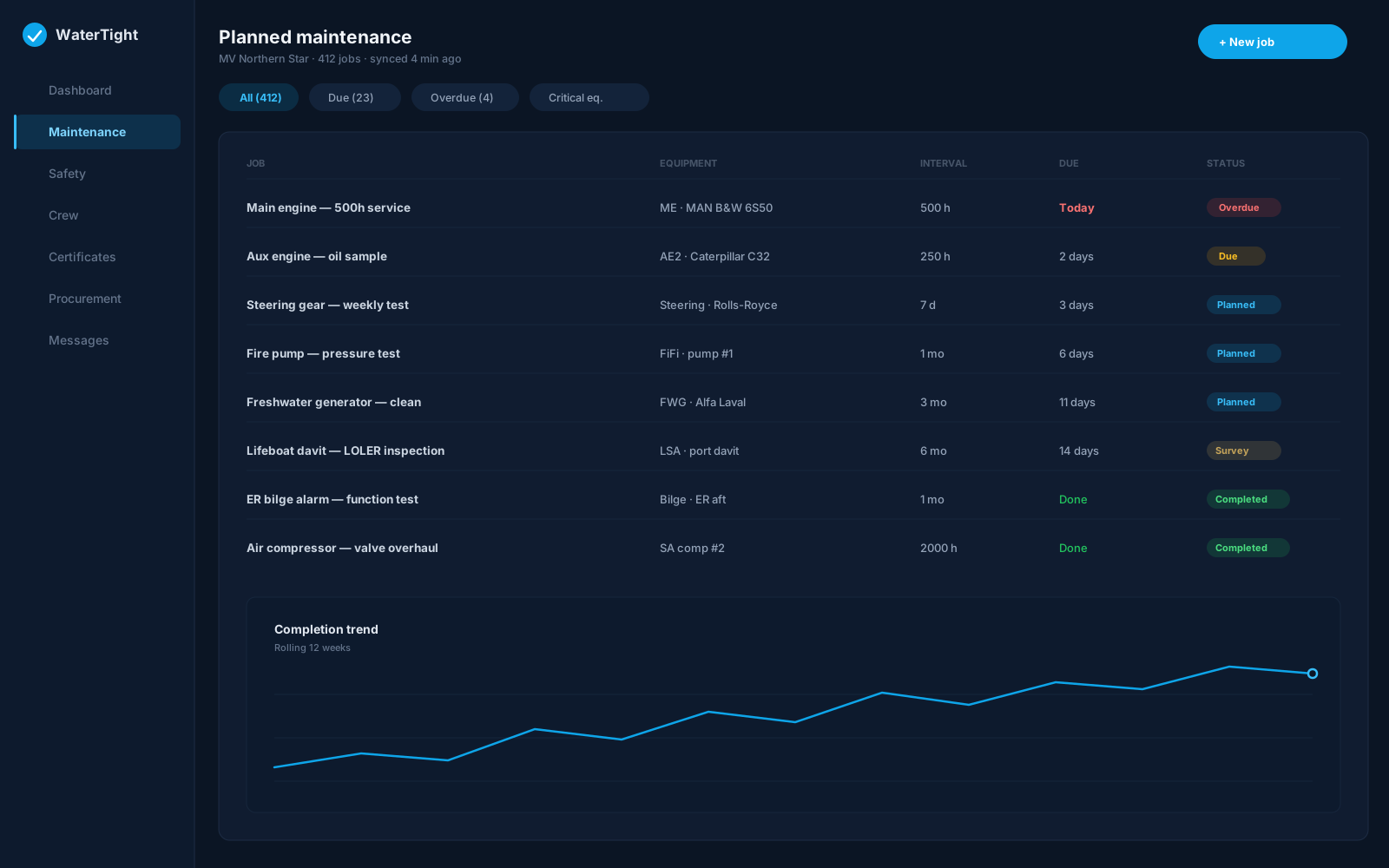
Monday with WaterTight
What changes when this is under control
Structured daily reports completed onboard that feed a fleet position dashboard with a map view, ROB integration, and environmental export.
Time back
Reports post straight into the fleet summary, so operations stop re-keying noon data into a spreadsheet.
Less waste
Consistent structured data removes the shore effort of cleaning and consolidating disparate report formats.
Lower risk
A reliable operational record per day supports environmental reporting and management oversight.
In the module
How Daily Reports delivers it
Draft and submit workflow
Fleet summary aggregation
History per vessel
Environmental report export
Per-vessel report settings
Capabilities
- Cesium fleet map view
- ROB integration from fuel and bunker
- At sea / in port status
- Fleet KPIs
- Voyage context
- Links to logbooks
Ship to shore
How the work moves
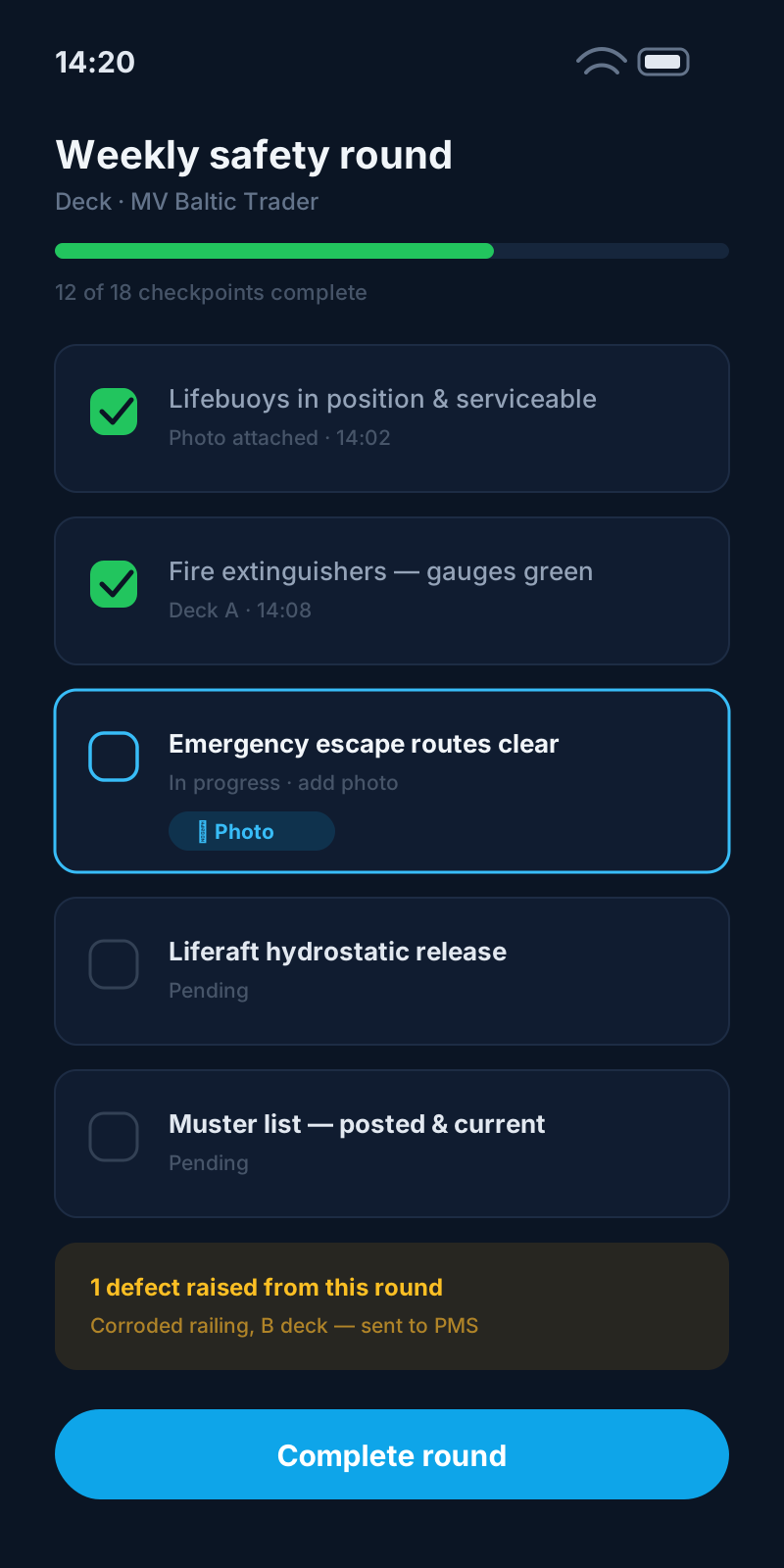
- Master submits the daily report
- Fleet position updates immediately
- Operations views the fleet map
- Environmental export generated ashore
Regulatory alignment
Customers remain responsible for regulatory compliance. WaterTight is the operational system of record.
Questions before you commit
Is there a fleet map?
Yes. Fleet daily reports include a Cesium globe view of vessel positions from reported data.
Does ROB flow into the report?
Yes. Fuel ROB and consumption integrate so the daily report reflects current bunkers without re-entry.
Can reports be drafted offline?
Reports are prepared onboard with a draft-and-submit flow; submitted data aggregates to the fleet summary.
Does this replace statutory noon reporting?
No. It structures and aggregates your operational data. Statutory and charterer reporting obligations remain the operator's responsibility.
Related solutions
Bring this pain to a demo
We’ll walk daily reports for Master and Chief Engineer on a sample vessel — so you can judge the fit, not sit through a feature tour.